Are Automatic Litter Boxes Worth It? An Honest Cost-and-Benefit Breakdown
What you actually gain, what you give up, and a simple test to decide if one makes sense for your cat.
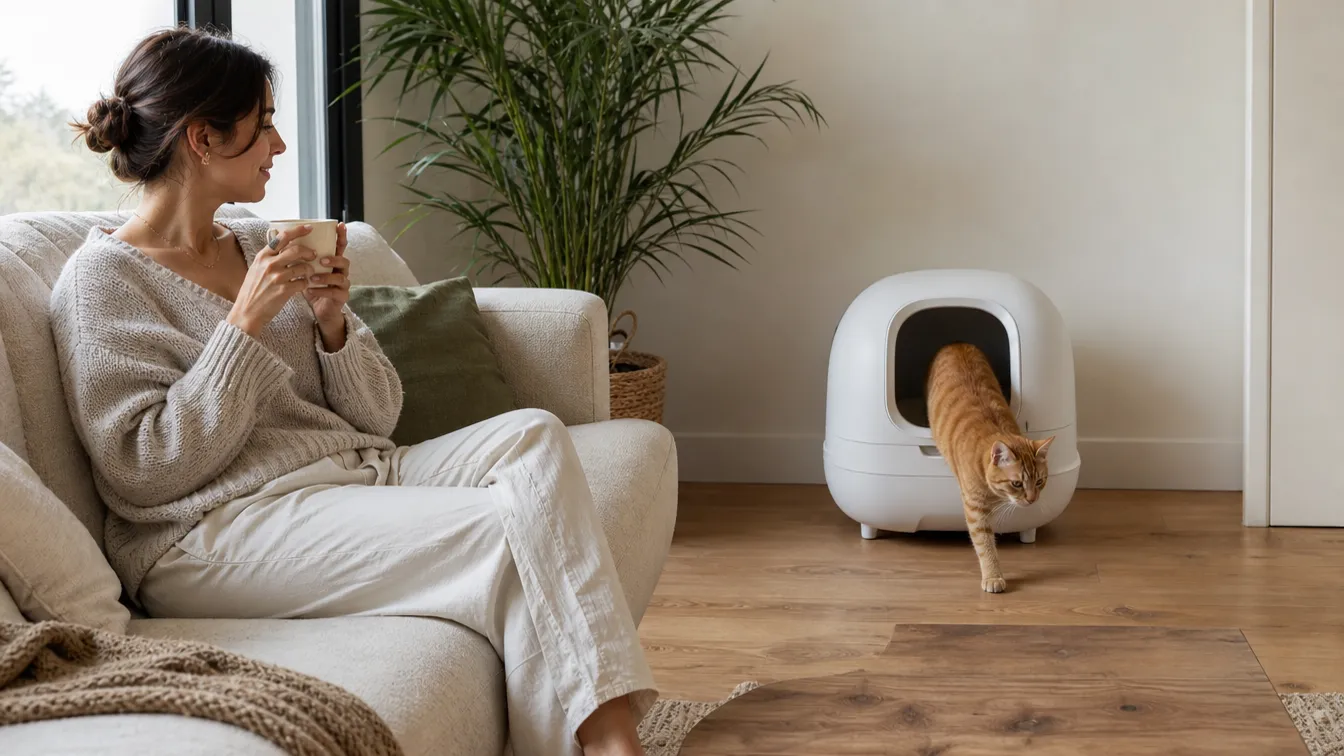
Short answer: yes, for most cat owners who scoop daily and hate it. An automatic litter box replaces roughly 365 scooping sessions a year with emptying a sealed bag every one to two weeks, keeps the box cleaner between visits, and can log your cat's weight and bathroom habits. It's not worth it for very small kittens, cats that are terrified of moving machines, or homes committed to pellet or paper litter.
What you actually get
Time back, every single day
Scooping takes only a couple of minutes, but it's every day, including the days you're sick, traveling or exhausted. A self-cleaning box sifts after each visit and drops clumps into a sealed bin. With a large bin, such as the 15L bin on our top pick, one cat can go up to about two weeks between emptyings.
A cleaner box for your cat
Cats are fastidious. A box that's cleaned minutes after every use is closer to what many cats prefer than one scooped once a day, and a clean box is one of the simplest ways to prevent going outside the box.
Less smell in the room
Waste is sealed away quickly rather than sitting in open litter for hours. Most enclosed boxes add a carbon filter or deodorizer. (If yours still smells, see our odor troubleshooting guide.)
Health data you'd never notice yourself
Weight-sensing boxes log every visit and your cat's weight. A sudden jump in visits or a gradual weight loss can be early signs of urinary issues, diabetes or kidney disease, and a log is something concrete to show your vet.
The real downsides
- Upfront cost. They cost many times more than a plastic tray. Check current prices before you decide.
- Litter restrictions. Almost all need fast-clumping clay or mineral litter.
- Space. Enclosed drums are about the size of a nightstand and need clearance to rotate.
- Consumables. Liners, filters or deodorizer refills add a small ongoing cost.
- Machines need care. Expect to wipe sensors, level litter and deep-clean the drum every few weeks.
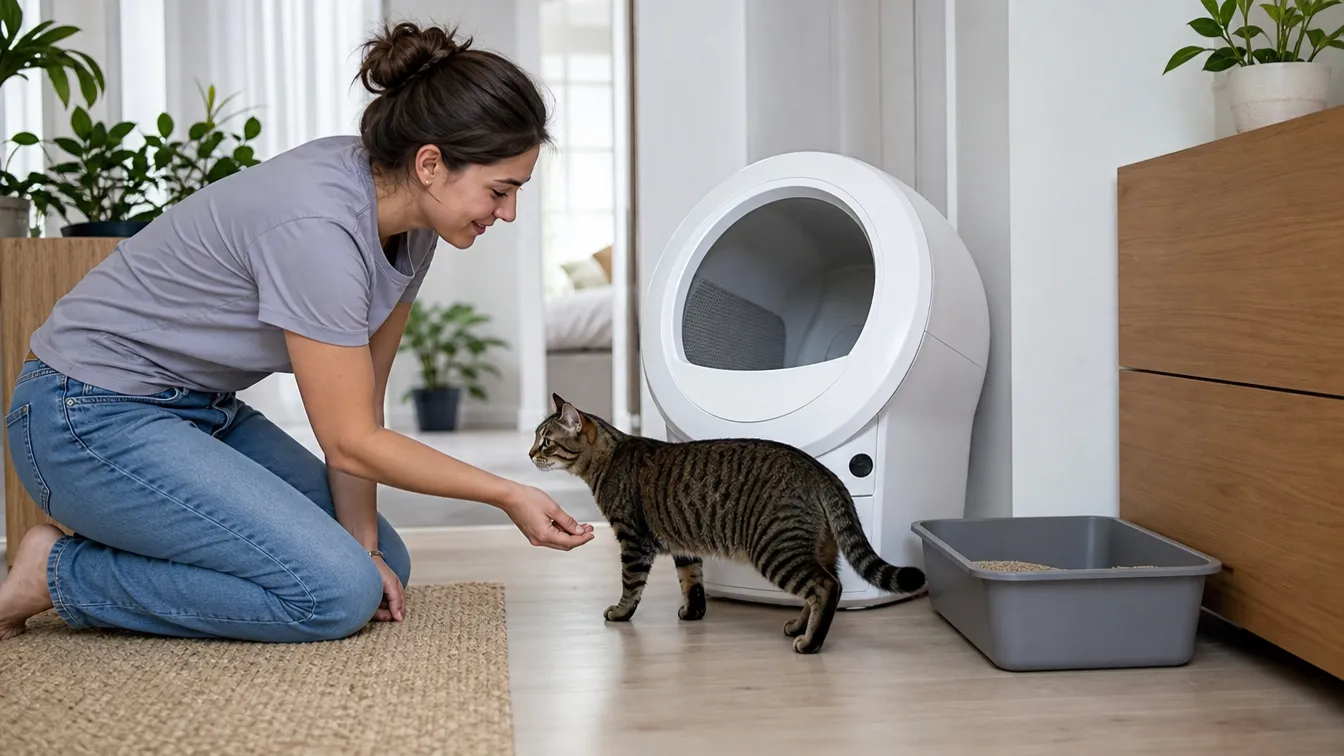
- Not every cat adapts. Most do within days to a couple of weeks, especially with a gradual introduction, but a few never do.
Who it's perfect for
- Owners who dread daily scooping or have mobility issues
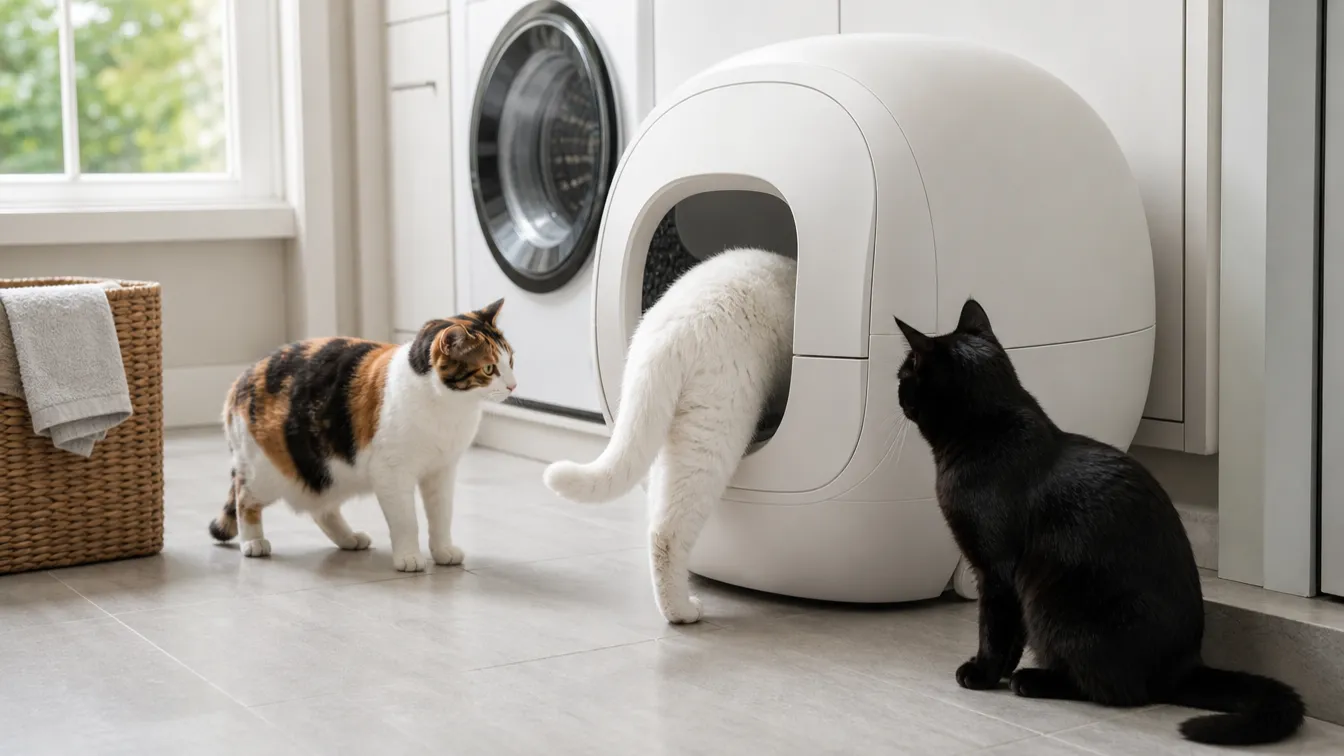
- Multi-cat homes (see our multi-cat picks)
- People who travel for a few days at a time
- Owners of cats with health conditions who want visit and weight logs
Who should skip it
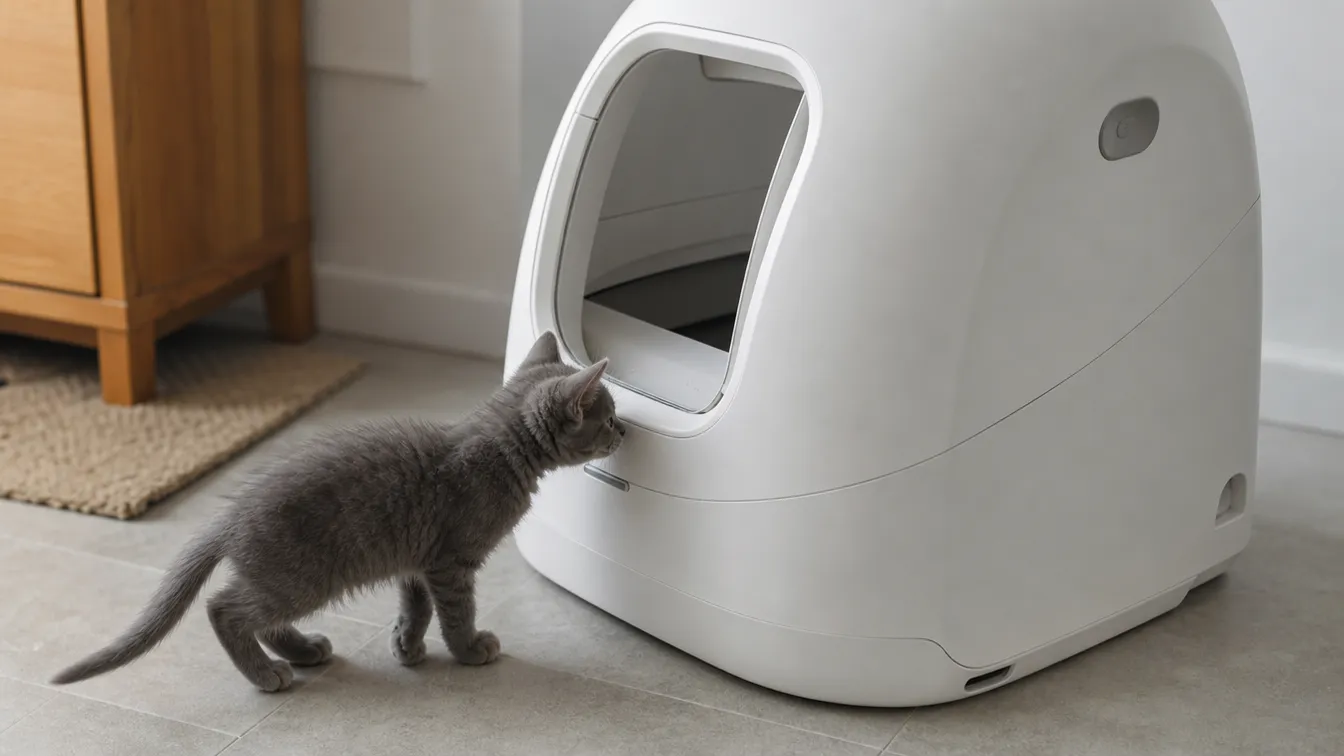
- Kittens under the box's minimum weight (often 2.2–3 lb)
- Extremely anxious cats that bolt from noise and movement
- Homes that use pellets, paper or crystal litter and won't switch
A quick decision test
Answer three questions: Does your cat already use clumping litter? Is your cat over 3 lb and reasonably confident? Do you have a hard, level spot with about two feet of width? If all three are yes, an automatic box is very likely worth it for you.

Ready to compare models? Our main guide ranks the best automatic cat litter boxes of 2026 on safety, space, capacity, odor and noise.